When to Use APIs vs Events in Integrations
When to Use APIs vs Events in Integrations
In South Africa's fast-paced digital economy, businesses from Johannesburg startups to Cape Town enterprises are grappling with when to use APIs vs events in integrations. As API trends in 2026 highlight the rise of AI-driven systems and real-time data flows, choosing between traditional REST APIs and event-driven approaches can make or break your CRM efficiency and scalability[6][8].
Understanding APIs vs Events: The Basics for South African Businesses
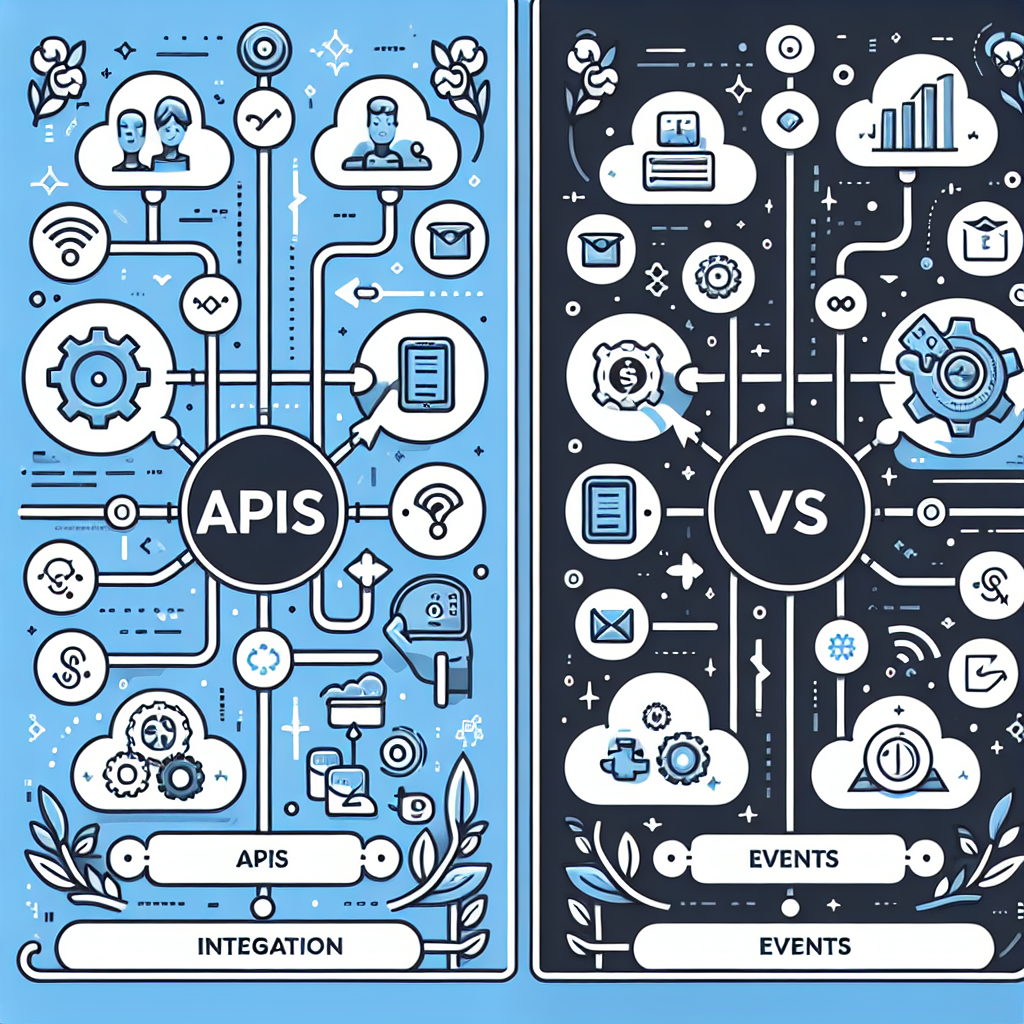
REST **APIs** follow a request-response model, where systems poll for updates—like checking stock levels in a retail integration. In contrast, **events** in event-driven architectures push notifications automatically, such as alerting a warehouse when inventory drops[1].
For South African companies using tools like Mahala CRM integrations, grasping this distinction is key to seamless operations across e-commerce, fintech, and logistics sectors[1][2].
Key Differences in "When to Use APIs vs Events in Integrations"
- Polling vs Pushing: APIs require constant requests, straining resources; events deliver real-time updates without polling[1].
- Synchronous vs Asynchronous: APIs are synchronous (wait for response), ideal for simple queries; events are asynchronous, perfect for high-volume streams like payment notifications[3].
- Scalability: Events excel in high concurrency, handling South Africa's growing mobile traffic surges[3].
When to Use APIs in Integrations: Ideal South African Use Cases
Opt for **APIs** when your integration needs straightforward, on-demand data access. In retail or banking, use REST APIs for CRUD operations—creating, reading, updating, or deleting customer records in your CRM[3].
Examples include:
- Public-facing third-party integrations, like linking payment gateways for e-commerce sites[3].
- Mobile apps querying user profiles, common in South Africa's app-heavy market[1].
- Systems prioritizing wide interoperability, such as connecting to global services[2].
Explore deeper with this guide on Mahala CRM API guide for practical South African setups.
When to Use Events in Integrations: Real-Time Power for SA Enterprises
Choose **events** for scenarios demanding immediacy, like live inventory updates in Johannesburg warehouses or fraud alerts in Cape Town fintech[1]. Event-driven setups via webhooks or streaming reduce latency and costs[1].
Prime cases:
// Example: Event for stock update
{
  "event": "inventory_low",
  "product_id": "123",
  "quantity": 5,
  "timestamp": "2026-02-10T09:00:00Z"
}
- Real-time processing, e.g., ride-sharing apps in Durban[3].
- High-concurrency workloads, scaling for Black Friday traffic[3].
- Composing streams, aggregating data from multiple sources[2].
Hybrid Approaches: Combining APIs and Events for Optimal Integrations
The trending **API trends in 2026** favour hybrids—use APIs for client interactions and events for microservices[3][6][8]. Platforms bridge both, as seen in modern iPaaS solutions supporting South Africa's diverse IT landscapes[1][5].
For more on event-driven vs REST, check this Axway expert analysis.
Conclusion: Master "When to Use APIs vs Events in Integrations" for SA Success
Deciding when to use APIs vs events in integrations boils down to your needs: APIs for simplicity, events for real-time agility. South African businesses adopting hybrids, aligned with 2026's API evolution, gain competitive edges in scalability and efficiency[1][2][3][6][8]. Implement wisely to future-proof your operations.