Handling Data Transformation Across Systems: A South African Guide
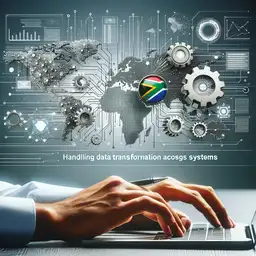
Handling Data Transformation Across Systems: A South African Guide
Handling Data Transformation Across Systems: A South African Guide
In South Africa's rapidly evolving digital landscape, handling data transformation across systems is a top priority for businesses and government alike. With the national digital transformation roadmap emphasizing data exchange initiatives, organisations are tackling siloed databases and legacy systems to unlock efficient service delivery and innovation[1][2].
Why Handling Data Transformation Across Systems Matters in South Africa
South Africa's digital economy is booming, driven by government roadmaps and private sector investments. The trending topic of data governance in digital transformation—a high-searched keyword this month—highlights the need for secure, real-time data sharing amid challenges like loadshedding and fragmented systems[1][3]. Effective handling data transformation across systems enables seamless integration, reducing duplication and enhancing decision-making for SMBs and public entities.
- Government initiatives like the Secure Data Facility (SDF) and South African Integrated Data Lake promote cross-departmental data exchange[1].
- Businesses face legacy platforms stifling data quality, as noted in industry reports[5].
- Cloud-native platforms are emerging as solutions for scalable data workloads[3].
Key Challenges in Handling Data Transformation Across Systems
South African organisations grapple with siloed systems, legacy technology, and poor interoperability. The Presidency's roadmap identifies insufficient coordination and regulatory incoherence as major hurdles[1]. For instance, rural municipalities struggle with digital transformation due to fragmented data capabilities[6].
Common Pain Points
- Legacy Systems: Outdated infrastructure limits data maturity and analytics[5].
- Data Silos: Departments hoard information, hindering real-time access[1].
- Security and Governance: Cybersecurity gaps and bias in AI models demand robust frameworks[3].
Explore deeper insights on South Africa's digital transformation challenges (internal link) and solutions via our CRM integration guide at Mahala CRM data integration services (internal link).
Best Practices for Handling Data Transformation Across Systems
To succeed, adopt a structured approach aligned with South Africa's 2024-2028 digital roadmap[2]. Start with assessment, then build foundations like cloud migration and data management.
Step-by-Step Strategy
1. Assess Digital Maturity
   - Evaluate current systems and data flows.

2. Implement Data Governance
   - Standardize formats for secure exchange.

3. Leverage Cloud and AI
   - Migrate to platforms like Snowflake for unified data[3].

4. Enable Real-Time Exchange
   - Use APIs for inter-system transformation.
- Follow the Inter-Ministerial Committee (IMC) model for cross-entity coordination[1].
- Integrate AI/ML for predictive analytics during the 2026-2027 acceleration phase[2].
- Partner with experts like NTT for mining data insights and governance[3].
For advanced techniques, check this external resource: South Africa's Roadmap for Digital Transformation[1].
Tools and Technologies for Seamless Data Transformation
Popular tools include ETL (Extract, Transform, Load) pipelines, Apache Kafka for real-time streaming, and cloud services from AWS or Microsoft, now with local data centres[5].
| Tool | Use Case | South African Relevance |
|---|---|---|
| Snowflake | Cloud-native data warehousing | Handles unstructured data for AI governance[3] |
| Apache Airflow | Workflow orchestration | Manages ETL across legacy and modern systems |
| Mahala CRM APIs | CRM-data sync | Local integration for SMBs |
Conclusion
Handling data transformation across systems is pivotal for South Africa's digital future, powering economic resilience and service efficiency. By addressing silos through governance, cloud adoption, and strategic partnerships, businesses and government can thrive. Start your journey today—assess your systems, implement robust data exchange, and stay ahead in the digital economy.