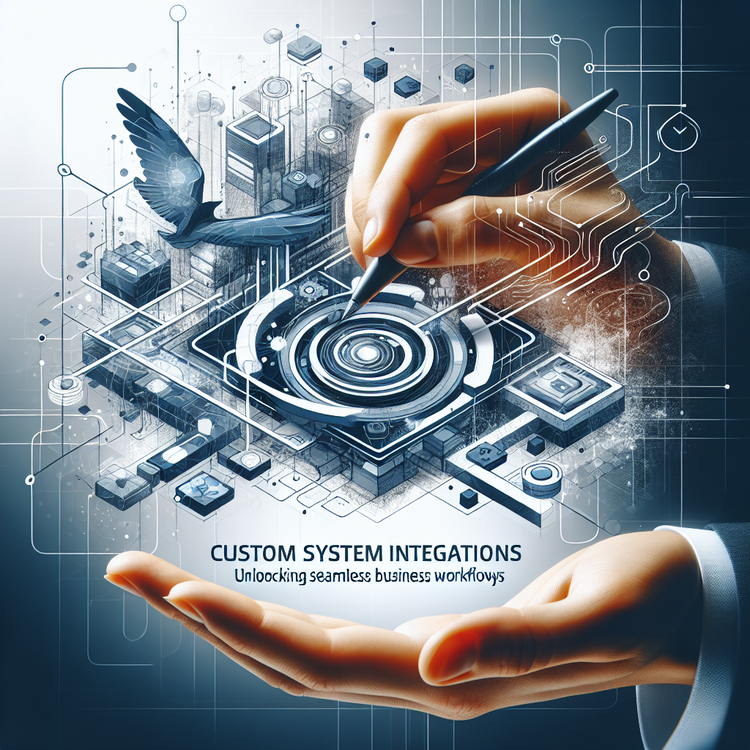
Custom System Integrations with Twala: Unlocking Seamless Business Automation in South Africa

Custom System Integrations with Twala: Unlocking Seamless Business Automation in South Africa
Custom system integrations with Twala are transforming the way South African businesses connect their digital tools, automate workflows, and gain real-time insights. As the demand for workflow automation continues to surge in 2025, integrating systems is now a top priority for companies aiming to remain competitive and agile in a rapidly evolving market[1]. This article explores how Twala enables custom integrations, the benefits for local businesses, and practical examples—optimised for South African search trends and SEO best practices.
Why Custom System Integrations with Twala Matter
In the digital age, South African businesses rarely use a single software platform. From CRMs and accounting systems to marketing tools and e-commerce platforms, data is often siloed across multiple applications. Custom system integrations with Twala bridge these gaps by enabling seamless data flow and automated actions between systems, leading to:
- Increased Efficiency: Reduce manual data entry and repetitive tasks, freeing up your team for more valuable work[1].
- Greater Data Accuracy: Eliminate human errors by automating information transfers across platforms.
- End-to-End Automation: Build workflows that span multiple departments—such as sales, billing, and customer support—without manual intervention.
- Improved Customer Experience: Ensure timely and consistent communication and service delivery.
- Unified Business Insights: Access holistic analytics by bringing all your business data together.
How Twala Enables Custom Integrations
Twala leverages Integration Platform as a Service (iPaaS) solutions like Flowgear to connect diverse business applications in the cloud[9]. With iPaaS, you can:
- Connect on-premise and cloud-based systems without extensive custom coding.
- Automate complex workflows involving multiple applications.
- Scale integrations as your business grows.
For example, integrating your CRM with your accounting platform means new sales automatically generate invoices, update inventory, and trigger customer notifications—all without manual input. This not only boosts productivity but also reduces operational costs and errors[1].
Real-World Use Case: Twala and MahalaCRM
South African businesses using MahalaCRM’s solutions can supercharge their operations by integrating with Twala:
- Sync customer data in real-time between MahalaCRM and your billing system.
- Automate lead nurturing by connecting MahalaCRM with marketing automation tools.
- Consolidate analytics by integrating MahalaCRM with business intelligence dashboards.
For step-by-step guidance, visit MahalaCRM’s integrations blog for actionable advice on custom system integrations with Twala.
SEO Best Practices for Custom System Integrations with Twala
If you’re searching for workflow automation South Africa—a high-traffic keyword this month—understanding custom system integrations is essential. Here’s how you can optimise your website and content:
- Include primary keywords such as custom system integrations with Twala and workflow automation South Africa in your titles, headings, and meta descriptions[4].
- Structure your content with
<h2>and<h3>tags for readability and SEO impact[4]. - Use descriptive internal links that guide users to relevant pages about integrations and automation on your site[4].
- Write for both users and search engines: keep language natural, concise, and informative[2].
For detailed SEO strategies, see this official South African SEO guide.
Conclusion
Custom system integrations with Twala empower South African businesses to automate, connect, and optimise their digital operations. By leveraging iPaaS and connecting platforms like MahalaCRM, companies achieve greater efficiency, accuracy, and growth. As workflow automation becomes a central pillar of modern business strategy, investing in seamless integration solutions like Twala is no longer optional—it’s essential for success in South Africa’s competitive market[1].