API-first vs Event-first Integrations in Twala: The Ultimate Guide for South African Businesses
API-first vs Event-first Integrations in Twala: The Ultimate Guide for South African Businesses
API-first vs Event-first Integrations in Twala: The Ultimate Guide for South African Businesses
In the fast-paced world of South African business tech, API-first vs event-first integrations in Twala is a hot debate. As companies leverage Twala's robust CRM platform from Mahala CRM, choosing between synchronous API calls and asynchronous event-driven updates can transform your operations—from real-time customer insights to seamless scalability.
Understanding API-First vs Event-First Integrations in Twala
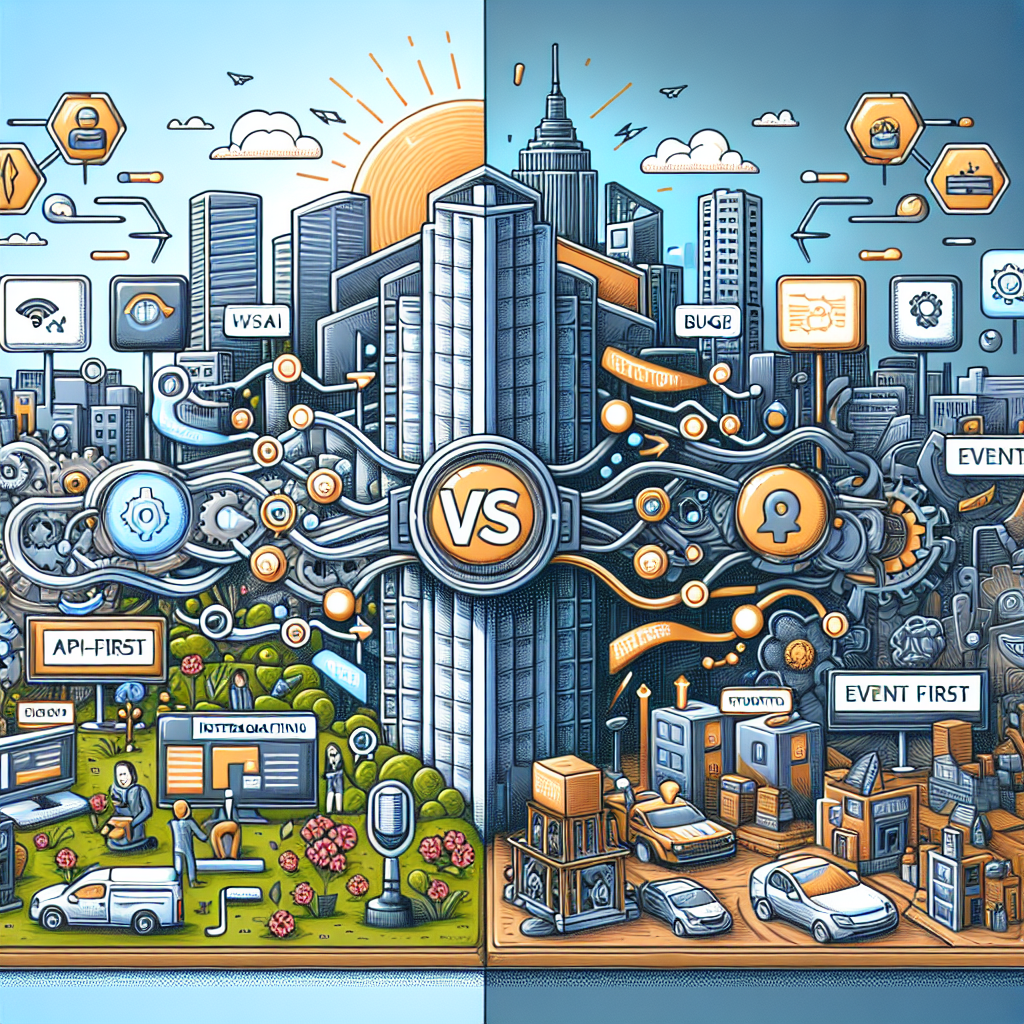
Twala, powered by Mahala CRM's innovative stack, supports both API-first and event-first strategies. API-first means building integrations around request-response models like REST APIs, where systems pull data on demand. Event-first, on the other hand, pushes updates via events, webhooks, or brokers like Kafka for real-time reactivity[1][2].
For South African SMEs in retail or fintech, this choice impacts everything from inventory syncs to customer notifications. A trending keyword this month, iPaaS integration, bridges these worlds, enabling hybrid setups in Twala[3].
What is API-First Integration in Twala?
API-first integrations in Twala prioritize stable endpoints. Your app queries Twala's API for customer data, orders, or analytics. This suits predictable workflows:
- Pull data on demand: Fetch attendee lists for events via Twala's endpoints.
- Backward compatibility: Use schema registries like Avro for safe evolutions[1].
- Simple scaling: Ideal for batch processes in South African e-commerce.
Explore Twala's API docs via our Mahala CRM API Overview for hands-on setup[internal].
Decoding Event-First Integrations in Twala
Event-first shines in Twala for async scenarios. Emit "order-placed" events from Twala, consumed by your systems without polling. Key benefits include:
- Real-time updates: Thick events carry full state, like order details—no follow-up calls needed[1].
- Loose coupling: Services maintain local views, reducing downtime in high-traffic events[1].
- Event streaming: Advanced CQRS patterns for aggregations in Twala analytics[1].
Check Mahala's event guides at Event Webhooks in Twala for SA-specific examples[internal].
API-First vs Event-First: Key Comparison for Twala Users
Here's a side-by-side breakdown tailored to South African Twala users chasing iPaaS integration trends:
| Aspect | API-First in Twala | Event-First in Twala |
|---|---|---|
| Data Flow | Request-response (pull)[2] | Push notifications (webhooks/events)[2][4] |
| Use Case | Batch reports, queries | Live inventory, notifications[4] |
| Coupling | Temporal (services must sync)[1] | Loose (eventual consistency)[1] |
| 2026 Trend Fit | API gateways for security[3] | iPaaS for hybrid real-time[3] |
Event-first reduces latency for Johannesburg event tech, where ticket sales trigger instant CRM updates[4].
Best Practices for API-First vs Event-First Integrations in Twala
- Assess Maturity: Start with thin events (facts only) in Twala, evolve to thick for state[1].
- Hybrid Approach: Use iPaaS to fuse both—REST for queries, events for pushes[2].
- Handle Scale: Respect rate limits; batch API calls for Cape Town high-volume ops[4].
- Test Backward Compat: Schema evolution prevents breaks in Twala updates[1].
// Example: Twala Event Listener (Node.js)
const { Kafka } = require('kafkajs');

const kafka = new Kafka({ clientId: 'twala-consumer', brokers: ['localhost:9092'] });
const consumer = kafka.consumer({ groupId: 'twala-group' });

await consumer.connect();
await consumer.subscribe({ topic: 'twala.order-placed', fromBeginning: true });

await consumer.run({
  eachMessage: async ({ topic, partition, message }) => {
    console.log(`Received event: ${JSON.parse(message.value.toString())}`);
  },
});
For deeper dives, read Axway's guide on Event-Driven vs REST APIs[2].
Why South African Businesses Should Care About API-First vs Event-First in Twala Now
In 2026, with AI-driven APIs rising[5][8], Twala users adopting event-first gain edges in real-time CRM. Retailers in Durban sync stock instantly; event planners in Pretoria push attendee data via webhooks[4]. Pair with iPaaS integration for future-proofing against load shedding disruptions.
Ultimately, there's no binary choice—blend API-first reliability with event-first speed in Twala for peak performance[1]. Start with Mahala's tools today to dominate SA's digital landscape.